
Have you ever noticed how quickly a child is drawn to a bright, colorful character? Whether it is a vibrant animal, a cheerful cartoon figure, or a storybook hero with unique features, children often form an instant connection with characters that stand out visually. There is a reason for this. Young children are naturally attracted to color, creativity, and anything that sparks their curiosity.
In children’s literature, colorful characters do much more than make a book look appealing. They help children engage with stories, develop their imaginations, and build emotional connections that can last long after the final page is turned.
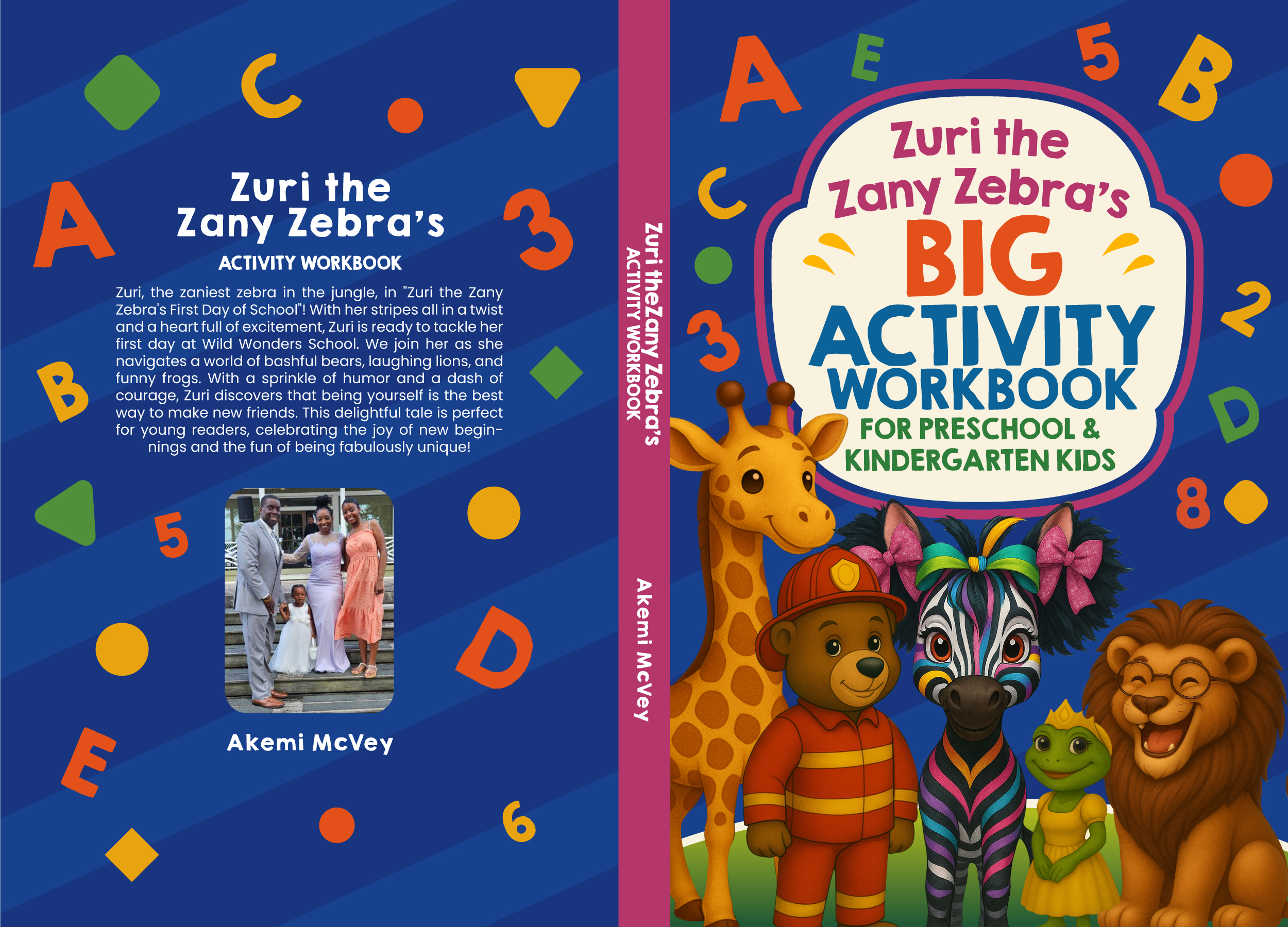
Characters like Zuri the Zany Zebra, with her rainbow colored stripes and playful personality, demonstrate how visual creativity can transform an ordinary story into an unforgettable adventure.
Color Sparks Curiosity
For preschoolers and young readers, the world is still full of discovery. Bright colors naturally capture their attention because they stimulate curiosity and encourage exploration.
When a child sees a zebra with purple, pink, blue, green, yellow, and white stripes, their first reaction is often wonder.
“Why does she look different?”
“What makes her special?”
“Can zebras really have colorful stripes?”
Questions like these are signs that a child’s imagination is already at work. Colorful characters encourage children to think beyond what they already know and become more engaged in the story.
Unique Characters Are Easier to Remember
Children encounter countless characters through books, television shows, toys, and games. The ones that stand out are often those with distinctive appearances and personalities.
A colorful character becomes memorable because children can easily recognize and recall it. Long after storytime is over, many children can vividly describe a character’s appearance, favorite activities, and adventures.
Zuri’s bright stripes make her instantly recognizable, helping young readers build a stronger connection with her story and remember the lessons she learns along the way.
Color Encourages Creativity
Children are naturally creative thinkers. They enjoy imagining new worlds, inventing stories, and exploring possibilities.
When they see a character that breaks the rules of reality, such as a zebra with rainbow stripes, they begin to realize that imagination has no limits.
This encourages children to think for themselves creatively.
They may draw their own colorful animals, create unique characters, or invent imaginative adventures inspired by what they have read. Stories that embrace creativity often inspire children to become creators rather than simply observers.
Colorful Characters Celebrate Individuality
One of the most powerful messages colorful characters can communicate is that being different is something to celebrate.
Young children are constantly learning about themselves and the people around them. They notice differences in appearance, personalities, interests, and abilities. Books that feature unique characters help children understand that differences are not something to hide.
In Zuri’s story, her colorful stripes make her stand out from other zebras. Instead of viewing her uniqueness as a problem, the story presents it as something joyful and special.
This simple message can help children develop confidence in who they are while also learning to appreciate the uniqueness of others.
Visual Appeal Supports Early Learning
Before children become confident readers, they often rely heavily on illustrations to understand and enjoy a story.
Bright, engaging characters help hold a child’s attention and make it easier for them to follow along. Colorful illustrations can also support vocabulary development as parents and children discuss what they see on each page.
Questions such as:
“What color is Zuri’s stripe?”
“Which color is your favorite?”
“Can you find the blue stripe?”
Create natural learning opportunities that feel like play.
Visual storytelling helps young children stay engaged while building important observation and language skills.
Emotional Connections Become Stronger
Children often connect emotionally with characters they find interesting and appealing.
A colorful, friendly character feels approachable and welcoming. When children enjoy spending time with a character, they become more invested in their experiences, challenges, and successes.
As readers follow Zuri on her first day of school, they celebrate her friendships, understand her feelings, and cheer for her accomplishments. These emotional connections make stories more meaningful and memorable.
The stronger the connection, the more likely children are to revisit the story and continue learning from it.
Imagination Fuels a Lifelong Love of Reading
One of the greatest gifts a story can give a child is the ability to imagine.
Colorful characters open the door to worlds filled with creativity, adventure, and possibility. They show children that stories can be exciting, surprising, and full of wonder.
When reading becomes associated with imagination and enjoyment, children are more likely to develop a lifelong love of books.
Characters like Zuri help transform reading from a simple activity into an experience that children look forward to again and again.
Final Thoughts
Colorful characters do much more than brighten the pages of a children’s book. They capture attention, inspire creativity, encourage self-expression, and help children form meaningful emotional connections with stories.
Through her rainbow-striped appearance and joyful personality, Zuri the Zany Zebra demonstrates why colorful characters continue to hold a special place in children’s literature. She reminds young readers that being unique is something to celebrate and that imagination can take us anywhere.
For children, colorful characters are often the beginning of a magical journey. They spark curiosity, inspire creativity, and make storytime an adventure worth returning to again and again.